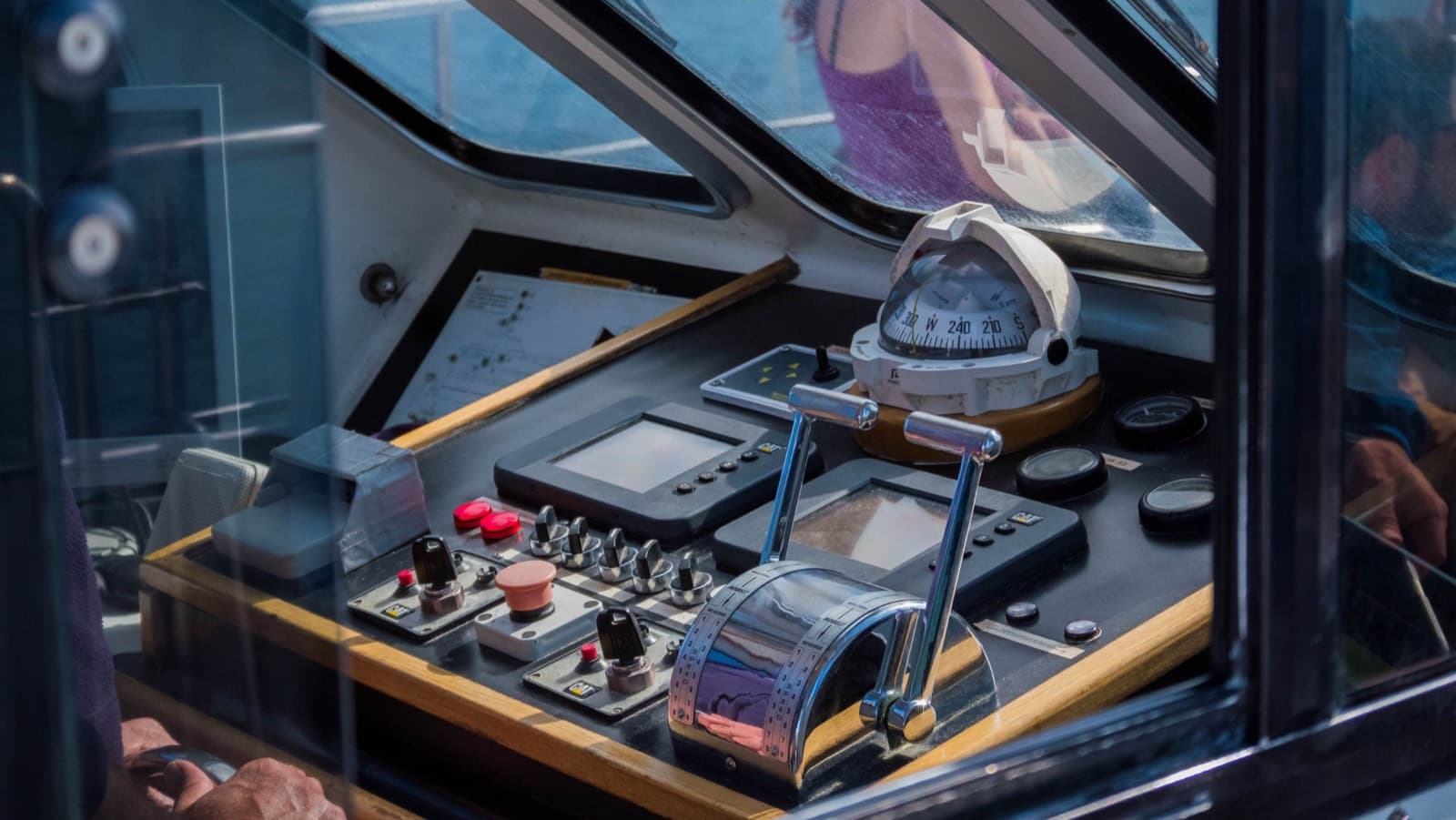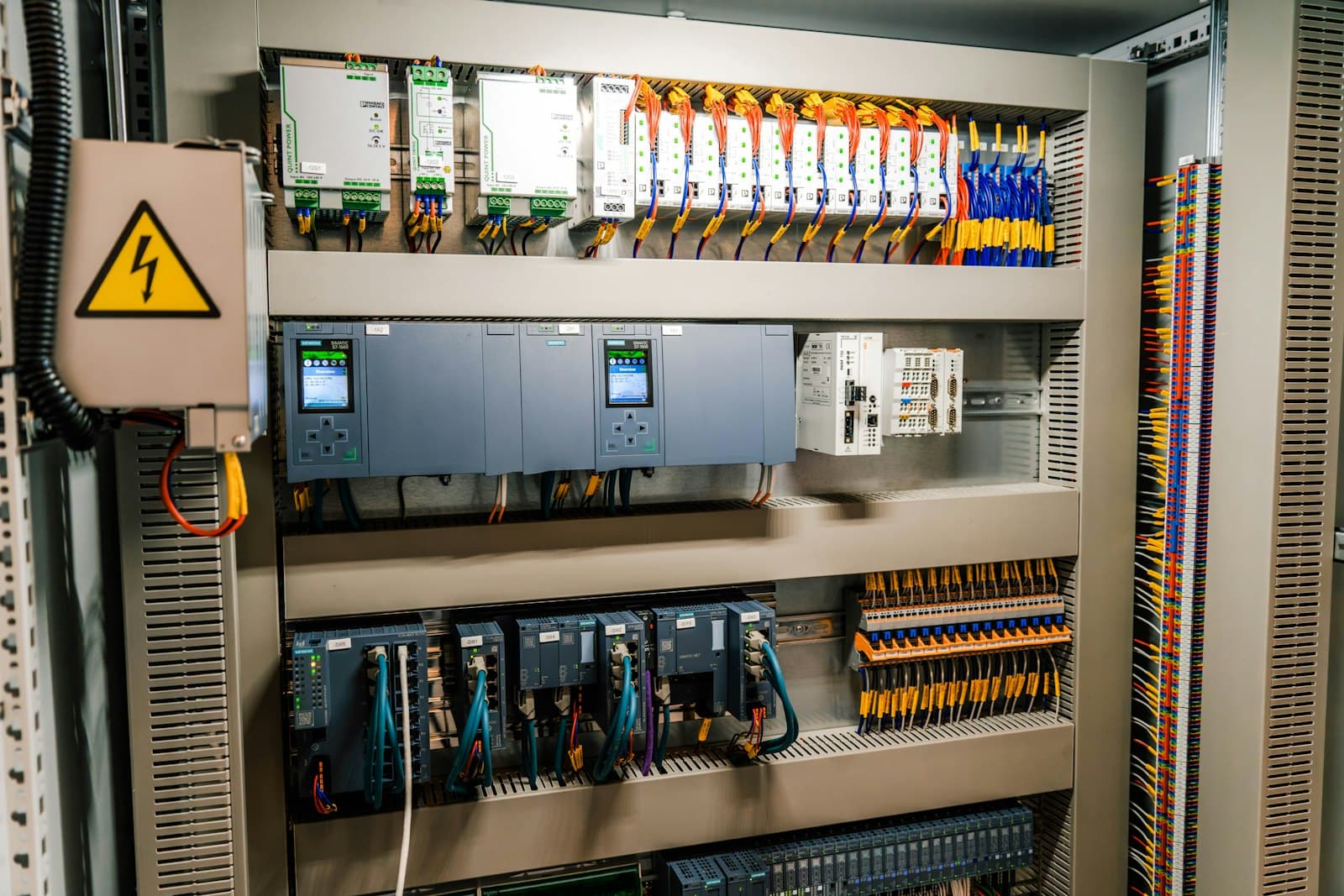

A discontinued control module creates two separate questions for a vessel operator: can the original part still be sourced, and would the available unit work in the installed system?
Those questions need different evidence. A manufacturer’s lifecycle notice explains the product’s support position. A supplier’s quotation describes an available item. Neither, by itself, establishes compatibility with your vessel.
When sourcing obsolete marine automation spare parts, start with the installed equipment, establish the exact replacement requirement, and compare offers against that requirement.
What does “obsolete” mean for marine control equipment?
Manufacturers use lifecycle terms such as phased out, end of life and obsolete to describe changes in production or support. Read the notice for the exact product or system: the consequences may differ between generations.
For example, Kongsberg’s notice dated 2 February 2021 identifies AutoChief 4 and AutoChief 7 as obsolete. It explains that component availability limits its ability to fully support those systems with spare parts and services, and identifies an upgrade to AutoChief 600 as the proposed solution. That notice concerns the named systems; it should not be applied automatically to every AutoChief generation. Kongsberg product discontinuation notice.
For purchasing purposes, keep three records separate:
- Lifecycle status: what the manufacturer says about production and support.
- Offer availability: what a supplier can presently quote, in what quantity and condition.
- Technical suitability: whether that exact item is acceptable for the installed application.
An obsolete part may still appear in surplus offers. An advertised part may also be unavailable when a firm quotation is requested. Ask for confirmation against the actual requirement.
Identify the installed part before searching for alternatives
A family name or front-panel photograph is a useful starting point, but it may not identify the complete unit.
Prepare an identification pack containing:
| Information | What to provide |
|---|---|
| Manufacturer and model | Full wording from the equipment label |
| Part or order number | Every suffix, separator and option code |
| Hardware identity | Revision, serial number and additional labels |
| Software information | Firmware or application version, if available |
| System context | Equipment name, cabinet reference and function |
| Photographs | Nameplate, front, connectors and installed position |
| Supporting records | Relevant drawings, parts list and service history |
If the cabinet builder’s reference differs from the manufacturer’s number, include both. Do not replace one with the other in the enquiry.
Preserve uncertain information explicitly. “Last character unreadable” is more useful than an assumed suffix that sends the sourcing process in the wrong direction.
Separate an exact replacement from a system upgrade
Ask suppliers to identify which type of offer they are making.
An exact-reference offer should state the complete part number and any differences in revision or supplied configuration.
A successor offer should identify the manufacturer’s replacement guidance and the checks still required for the existing installation.
A retrofit proposal should explain the wider scope: hardware, software, interfaces, engineering and commissioning.
These distinctions matter because a successor in a product catalogue is not automatically a direct replacement onboard. DEIF, for example, maintains separate PPU-2 documentation covering conversion to later controllers and communication considerations. The presence of those documents is a reason to investigate the conversion scope before ordering. DEIF PPU-2 documentation.
Ask a practical question: “What must change in our installation for this proposed replacement to work?”
Compare condition and evidence separately
A condition description should explain what is being supplied. It should not leave the buyer to infer operating history, included accessories or testing.
For each offer, request:
- Photographs of the actual offered unit and its labels.
- A written condition description.
- Details of packaging, connectors and accessories included.
- Any available inspection or test report.
- Warranty and return terms.
- Confirmed quantity, dispatch location and lead time.
If an offer says “tested,” ask what was tested. A power-up check, a communication check and operation within a representative system are different levels of evidence. The report should make that distinction clear.
Use the same purchasing criteria for every quotation. TIMC’s supply condition guide provides a reference for interpreting its condition descriptions.
Decide when to pursue a spare and when to investigate a retrofit
An exact spare may be worth pursuing where the installed system remains maintainable and the replacement can be configured and accepted within the available time.
A retrofit deserves investigation when the required variant cannot be established, usable software is missing, or the existing support position makes repeated replacement increasingly difficult.
For an urgent requirement, consider requesting the exact-part search and the engineering assessment concurrently. Set a decision date based on the vessel’s schedule, so an unsuccessful search does not consume all the time available for another solution.
The vessel’s responsible technical team should determine the acceptance requirements for the application.
Send an enquiry that can produce a useful quotation
Alongside the identification pack, state the quantity, acceptable condition, delivery port and required delivery date. Make clear whether alternatives may be proposed or whether only the exact reference is acceptable.
TIMC Marine sources current, surplus and discontinued control electronics to order. Browse discontinued and legacy marine parts, or send a parts enquiry with the nameplate photographs and complete reference.
A useful quotation begins with a clearly identified part, and makes any remaining differences visible before purchase.