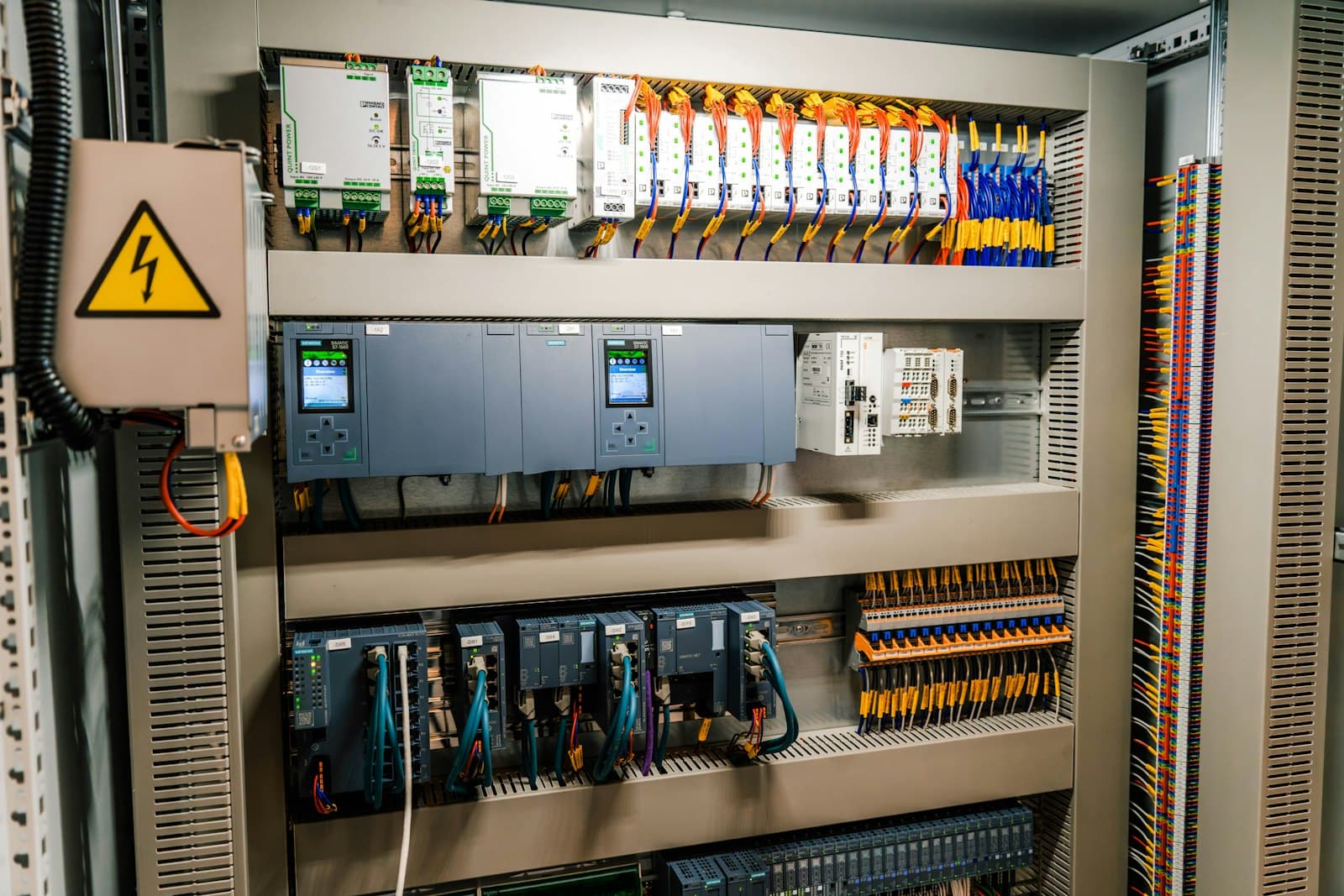
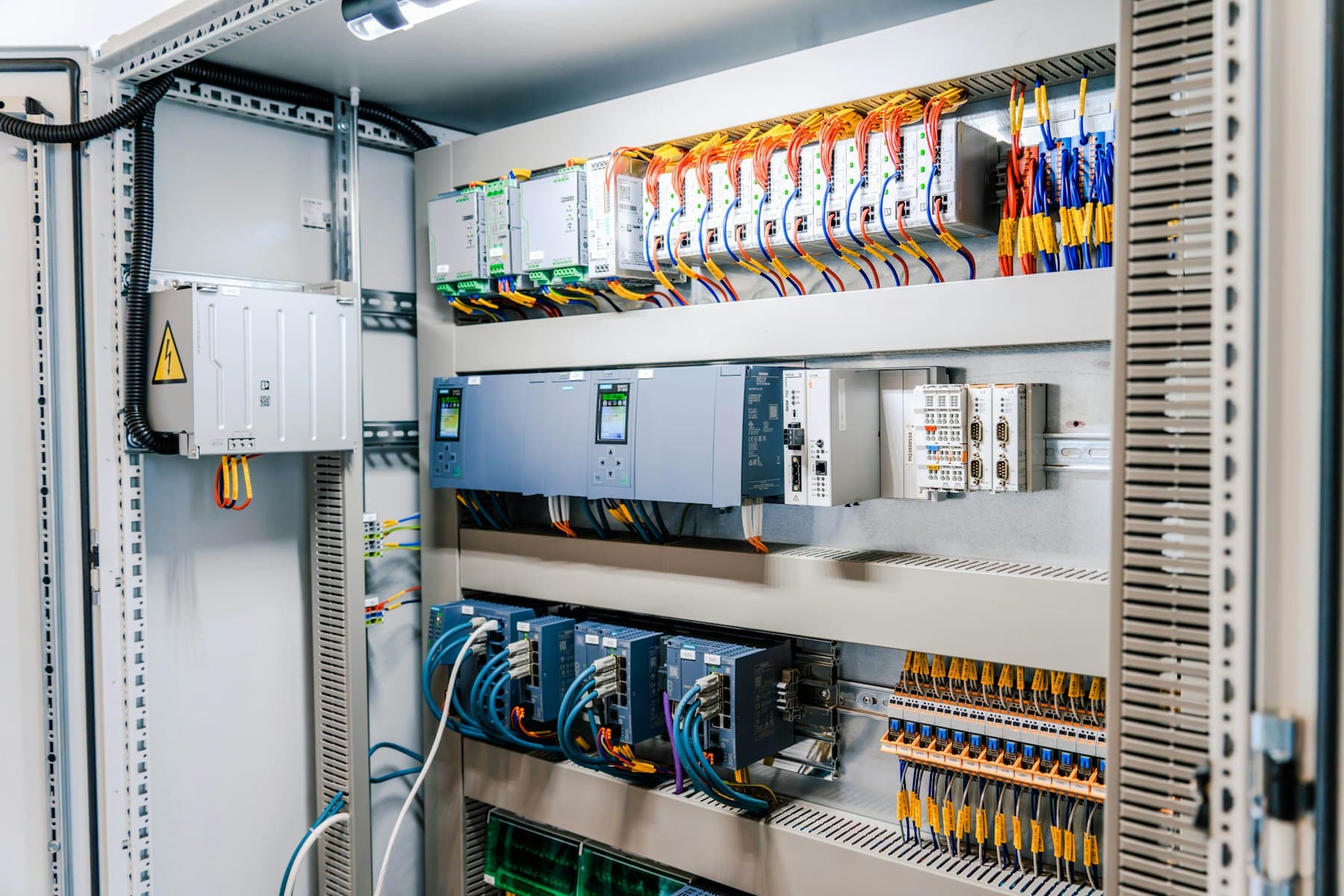

The main differences between Allen-Bradley SLC 5/03, SLC 5/04 and SLC 5/05 processors are their communications interfaces and available memory sizes. For a replacement purchase, start with the complete catalog number on the installed processor. A similar model name or matching memory size alone does not establish compatibility.
This guide compares the three processor types and explains which details to collect before requesting a quotation.
Processor comparison at a glance
| Processor | Catalog number and memory | Channel 1 | Channel 0 |
|---|---|---|---|
| SLC 5/03 | 1747-L531: 8K, 1747-L532: 16K, 1747-L533: 32K words | DH-485 | RS-232 |
| SLC 5/04 | 1747-L541: 16K, 1747-L542: 32K, 1747-L543: 64K words | DH+ | RS-232 |
| SLC 5/05 | 1747-L551: 16K, 1747-L552: 32K, 1747-L553: 64K words | Ethernet | RS-232 |
Source: Rockwell Automation, SLC 5/03, 5/04 and 5/05 Modular Processors, publication 1747-IN009, specifications and channel configuration. Memory figures are words, not megabytes. Rockwell lists RSLogix 500 as the programming software for these processors.
Why the communications interface matters
A 1747-L541 and a 1747-L551 both have 16K words of memory, but their channel 1 interfaces differ. If an existing machine depends on DH+, selecting an Ethernet processor changes the network question even when memory capacity matches.
Before considering another processor type, record the connected devices and how they communicate. Include the operator panel, other PLCs, supervisory system and any gateways. Ask the controls engineer to identify which connections must remain operational after replacement.
Channel 0 also needs attention. Rockwell’s SLC 500 hardware manual describes configurable serial protocols and interface arrangements. The label “RS-232” does not tell you the application’s configured protocol, baud rate or node settings. Capture the actual configuration rather than assuming factory defaults.
Is a larger-memory processor a suitable replacement?
Treat a different catalog number as a proposed alternative until the application has been reviewed. More memory may be useful, but it does not answer questions about the installed program, communications, processor revision or connected equipment.
For example, a request for a 1747-L532 should identify that model first. If another model is offered, have the engineer document why it is acceptable and what must change. Keep the original requirement and the alternative clearly separated in the quotation and purchase order.
A useful purchasing rule: approve the replacement against the application, not against one specification in a comparison table.
What to check before ordering an SLC processor
- Complete catalog number: photograph the installed unit’s identification label.
- Series and firmware: record the information shown on the unit and available in the engineering project.
- Program backup: confirm that the responsible engineer has an accessible, usable copy of the application.
- Communications: identify the devices, protocols and settings the processor must support.
- Condition: TIMC quotes new factory sealed, new surplus or new without box as standard, and can source used or refurbished units on request. State which conditions you will accept and any evidence you need.
- Included items: clarify requirements for batteries, memory modules and other accessories rather than assuming they accompany the processor.
- Delivery: provide quantity, destination and the date the part is needed on site.
Keep your engineering records internally. A supplier usually needs the identification and purchasing requirements to quote; send confidential program files only through an agreed process when necessary.
Replacement or migration?
A replacement enquiry and a migration project need different scopes. A replacement enquiry starts with the installed part and the application’s existing requirements. A migration review considers the wider system, including software, I/O, wiring, communications and commissioning.
Rockwell publishes an SLC 500 to CompactLogix 5380 migration path. CompactLogix 5380 should therefore be evaluated as a modernization option, with engineering work defined for the application. A reference to this platform is not evidence that it can directly replace an SLC processor in its existing slot.
For an urgent repair, ask for an exact-part quotation while the engineering team assesses longer-term options separately. For planned modernization, build the budget around the complete project rather than the controller price alone.
SLC processors in the TIMC catalog
Each catalog number below has its own page with Rockwell’s lifecycle status, specifications and the date we last checked them.
| Catalog number | Description | Lifecycle |
|---|---|---|
| 1747-L532 | SLC 5/03 16K processor, DH485 and RS-232 | Discontinued |
| 1747-L533 | SLC 5/03 32K processor, DH485 and RS-232 | Discontinued |
| 1747-L541 | SLC 5/04 controller with 16 K words memory | Discontinued |
| 1747-L542 | SLC 5/04 32K Controller for SLC 500 | Discontinued |
| 1747-L543 | SLC 5/04 64K controller, RSLogix 500 programmed | Discontinued |
| 1747-L551 | SLC 5/05 16K controller with Ethernet | Discontinued |
| 1747-L552 | SLC 5/05 32K processor, Ethernet and DH485 | Discontinued |
| 1747-L553 | SLC 5/05 64K controller, Ethernet and DH485 | Discontinued |
All SLC 500 processors we list: Allen-Bradley SLC 500 processors.
Frequently asked questions
Is SLC 5/05 the same as SLC 5/04 with Ethernet added?
Their channel 1 interfaces differ: SLC 5/04 uses DH+ and SLC 5/05 uses Ethernet. A replacement decision must account for the actual network and application; the family names do not establish interchangeability.
What is the difference between 1747-L551, L552 and L553?
They are SLC 5/05 processors with 16K, 32K and 64K words of memory respectively. Confirm the required model, series and firmware before approving an offered unit.
Does a replacement processor include my machine's program?
Do not assume it does. Agree with your controls engineer how the application will be restored, configured and verified before the machine returns to service.